
The Chairman of the Abia State Disability Commission Dr. David Anyaele, has stated that the commission’s primary mandate is to dismantle all barriers hindering the full participation of persons with disabilities (PWDs) in society, rather than merely dispensing charity.
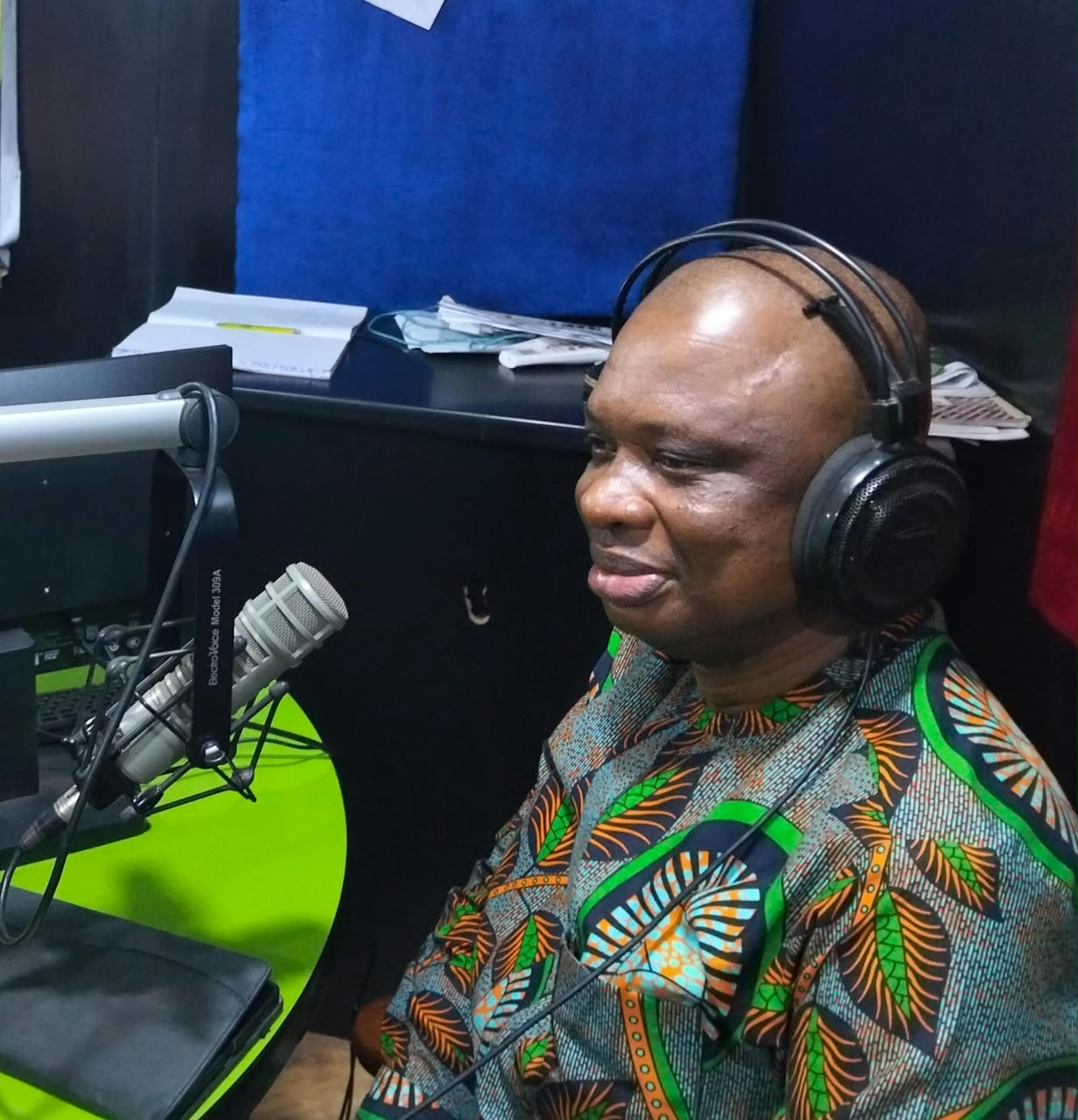
Dr. Anyaele spoke on Friday during a live interactive session on the “Good Governance” radio programme on the Broadcasting Corporation of Abia State (BCA), where he fielded calls from listeners and outlined the strategic interventions of the newly established commission.
Highlighting the state government’s commitment to inclusive governance, he noted that the establishment of the commission and the appointment of its leadership made up of individuals with disabilities were among the very first actions taken by the governor, marking a historic first for the state.
Dispelling the myth that all PWDs are dependent on handouts, the Chairman noted that many are highly successful business owners and active contributors to the economy. He clarified that the commission caters to various categories, including those with physical, sensory, intellectual, and psychosocial impairments.
“Not every person with a disability needs a financial benefit. There are people with disabilities who are extremely flamboyant; they own companies and are actively contributing to society,” he said.
“Our primary role is to protect PWDs and ensure that they do not suffer from barriers. If a person wants to go to school, we ensure they have access to the classroom and are not discriminated against. For the vulnerable, we assess their specific needs, whether it is skills acquisition or employment support.”
Tackling the deep-rooted cultural stigmatization of PWDs, Anyaele revealed that the commission is taking a hard stance against discrimination, citing a recent case where a landlord in the state attempted to deny accommodation to a blind prospective tenant.
“We are using such cases to set an example. Nobody has the right to discriminate. Historically, our cultural practices have tagged PWDs as non-performers, but we will keep doing advocacy to change these behaviors because disability does not discriminate,” he asserted.
Highlighting the state government’s inclusive policies, he disclosed ongoing upgrades at the State School for the Blind, including the training of blind individuals on smartphones and assistive devices. He also praised the state’s massive investment in para-sports, noting that the Ministry of Sports is a major employer of PWDs and has yielded numerous international gold medals for Abia State following the hosting of major global para-sport events.
To ensure grassroots impact and inter-ministerial synergy, Anyaele announced the decentralization of the commission’s operations, emphasizing that disability is a cross-cutting issue that affects education, health, agriculture, technology, and justice.
“We are moving beyond mere ‘desks’ to establishing fully-fledged local government offices. We have already trained local government chairmen on disability inclusion and budgeting. Furthermore, we have trained over 850 education and healthcare officials across the 17 Local Government Areas of the State on understanding disability issues, the disability law and budgeting to ensure schools and health facilities are fully accessible,” he added.
The Disability Community Chieftain urged PWDs in the state requiring support, skills acquisition, or intervention to formally write to the commission, noting that the current office is located at the Political Block, Government House, Umuahia.
He assured residents of the State of the commission’s readiness to attend to their needs, urging them to visit the office or reach out through official commission channels to ensure that no one is left behind in the State’s development agenda.